How to Turn Your Job Board Into a Revenue Engine
Most chambers and membership organizations think of a job board as a cost of doing business. A thing you maintain because your members expect it. A box you check.
However, a well-run local job board can be a revenue driver, a membership sales tool, and a sponsorship asset, if you treat it like one. Here are several ways forward-thinking organizations are starting to do exactly that.
Sell a Sponsorship Against It
Your job board is a page your community visits. That makes it a media property. Local banks, staffing firms, insurance agencies, and workforce development organizations all want visibility in front of employers and job seekers. A sponsored job board page gives them that visibility in a context that matters.
Think of it the same way you think about event sponsorships. Someone pays to have their brand associated with something your community cares about. The job board is that thing. It draws employers that have openings, job seekers looking for work, and business owners curious about the hiring climate. That’s an audience worth paying to be in front of. And unlike a one-day event, your board delivers that visibility year-round.
Make Featured Listings a Member Benefit
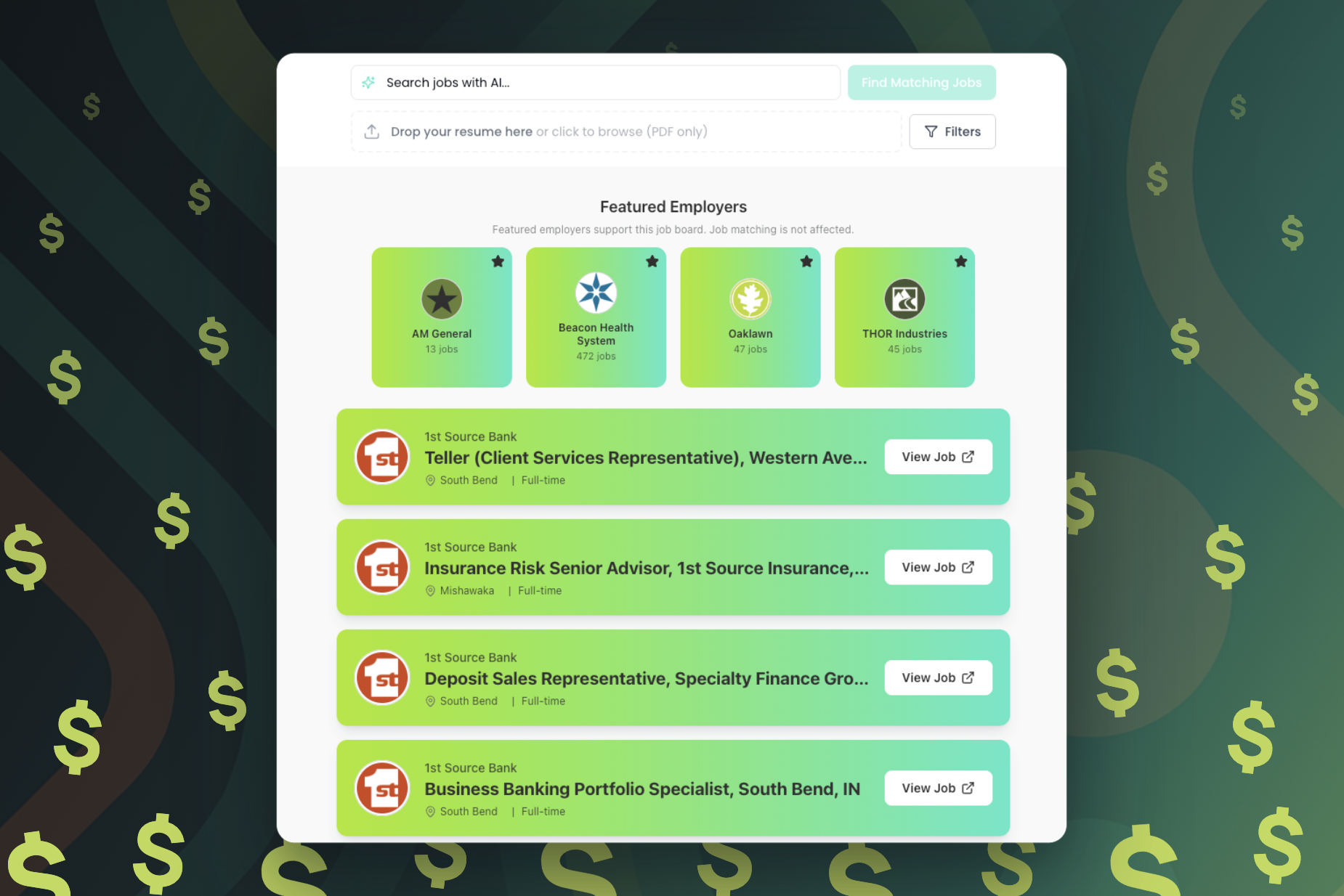
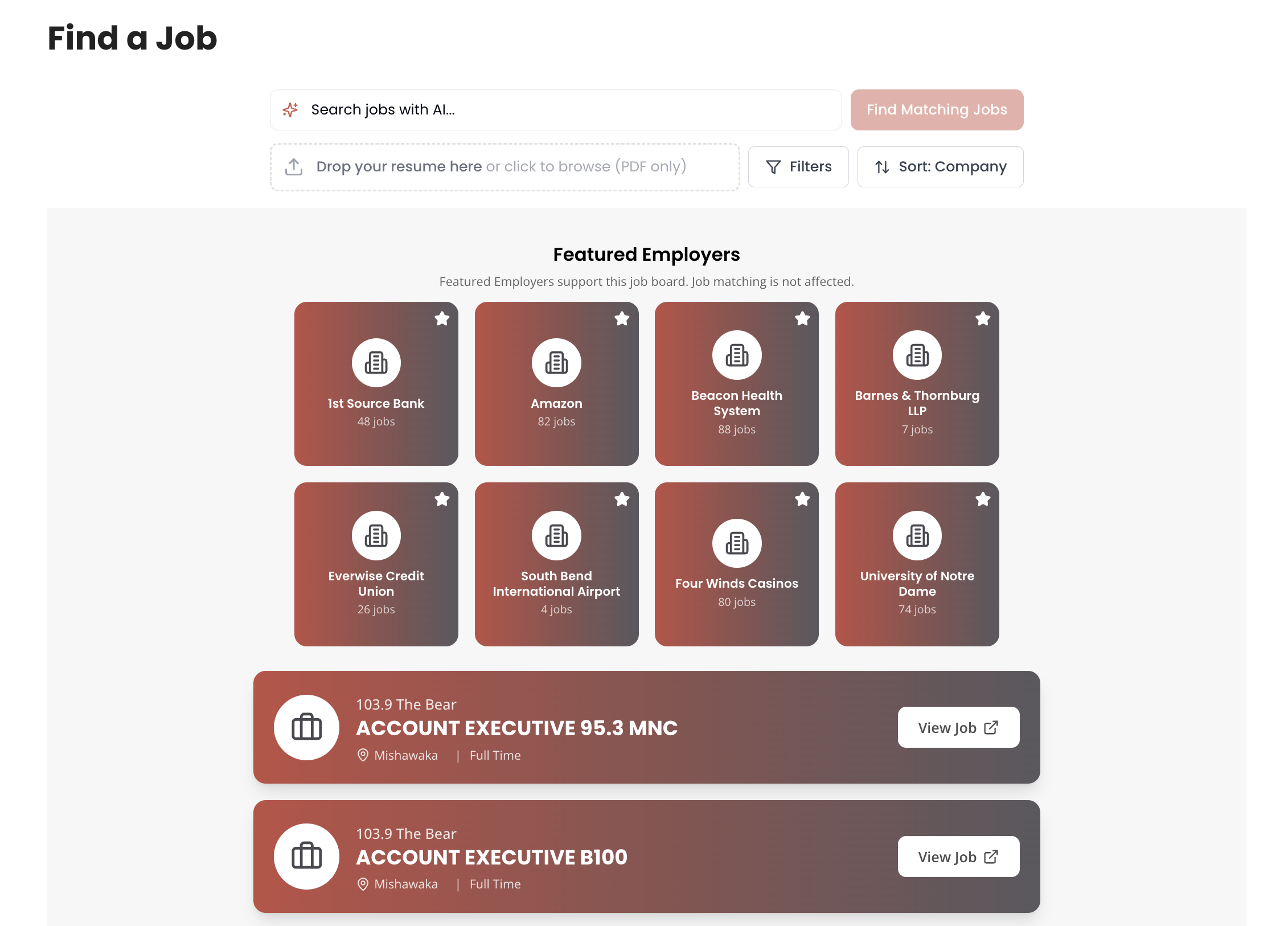
Not all companies on your board have to look the same. Featured placement puts select companies at the top of your job board page. When a visitor clicks on a featured company, they see all of that company’s open jobs. It’s prominent, it’s visible, and it’s something members will pay for or upgrade their membership to access.
This creates a clear, concrete reason to move up a tier. Basic members get on the board. Premium members get seen first. That’s an easy conversation for your membership team to have at renewal time, and it gives prospects a tangible answer to the question “what do I get for paying more?”
Sell Access to Companies Outside Your Territory
Here’s one most organizations haven’t tried yet. Companies in neighboring communities often want access to your talent pool. If your board is actively promoted to your community through your newsletter, your website, and your social channels, then being on it has real value to employers who aren’t currently in your membership footprint.
That’s a sales angle. Approach companies in adjacent markets and offer them a path to get their jobs in front of your community. The way they do that is by becoming a member. You’re not pitching a membership fee. You’re pitching access to a regional workforce pipeline they can’t get anywhere else. That’s a different conversation and a more compelling one.
Keep Local Employers Engaged by Promoting the Board
The reason local companies want their jobs on your board is simple: you’re pushing it out. A job board that sits quietly on your website doesn’t generate the enthusiasm that pays for sponsorships or justifies premium placement. A job board that shows up in your weekly newsletter, your social posts, and your member communications becomes a community institution.
The more you promote the board, the more valuable it becomes to the employers on it, and the more leverage you have when it comes time to sell against it.
Use the Data in Your Economic Development Story
A live, continuously updated job board tells a story about your local economy. How many jobs are available right now. Which sectors are growing. Which employers are actively hiring. That data has value far beyond the board itself.
Use it in grant applications, economic development reports, and partnership pitches with state agencies or funders. Being able to say “we track live job activity across hundreds of employers in our region, updated every week” is a credibility statement. It shows your organization has real-time insight into your local economy, not just survey data from last year.
The Shift Worth Making
A job board stops being an expense when you treat it like a product. Sponsorships, tiered member benefits, regional expansion sales, and data-driven storytelling all create revenue paths that most membership organizations haven’t fully explored. The key is committing to two things: a board that’s always current, and an organization that consistently pushes it out to the community it serves.
When you do both, the value compounds. And so does the revenue.